Books & Ideas is the English-language mirror website of La Vie des Idées, a free online journal which has gained a large readership and established itself in France as a major place for intellectual debate since 2007.
Can the defense of human rights be reconciled with guerilla warfare? David Copello offers an in-depth reinterpretation of the history of these complex struggles that have shaken Argentine society to its core.
Jeanne Tsai and Batja Mesquita show how emotions are shaped by cultural logics that orient our relationships and judgments. Their conversation raises a broader question: what does it mean to understand others in culturally plural societies?
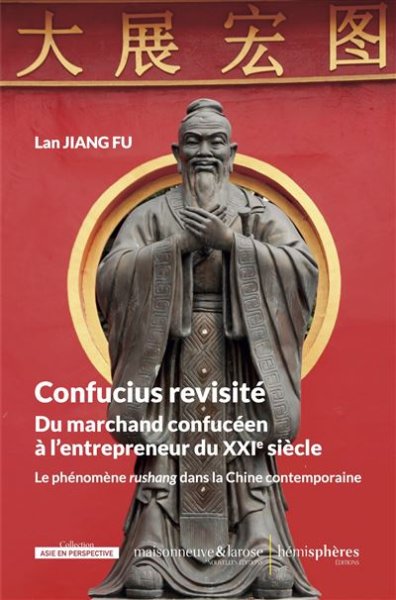
At a time when Chinese capitalism is in search of an ethic, entrepreneurs are reinventing the old Confucian merchant.
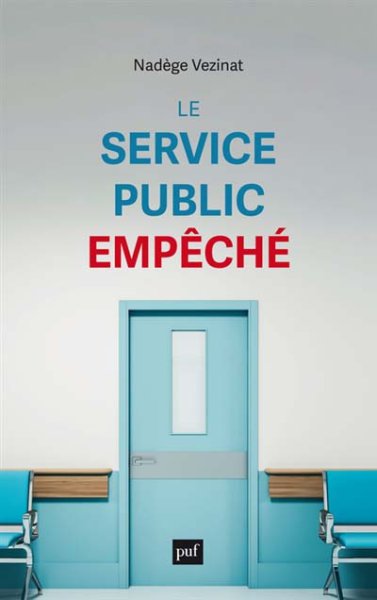
What effects have economic rationalization had on public services? Nadège Vezinat presents a nuanced picture of how institutional dynamics weaken the welfare state’s bureaucracy, agents, and the rights of beneficiaries.
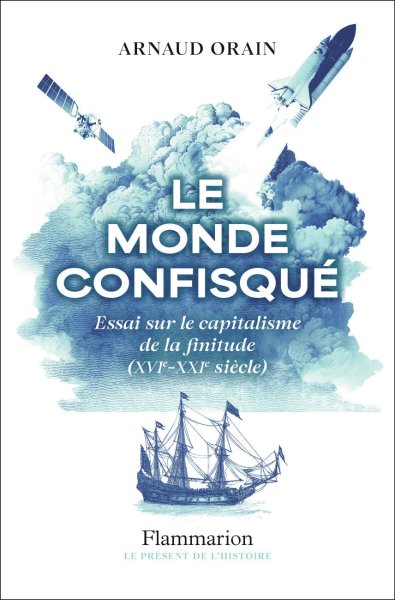
About: Arnaud Orain, Le Monde confisqué. Essai sur le capitalisme de la finitude, Flammarion
About: Anne Ibos-Augé, Les femmes et la musique au Moyen Âge, éditions du Cerf
About: Éric Dacheux et Daniel Goujon, Théorie délibérative des valeurs, Presses universitaires de Provence
The female silhouette – understood as the body’s visible form and socially perceived appearance – has long been shaped by social norms. In the age of social media, these norms are intensifying, prompting, in response, the rise of so-called “body-positive” movements.
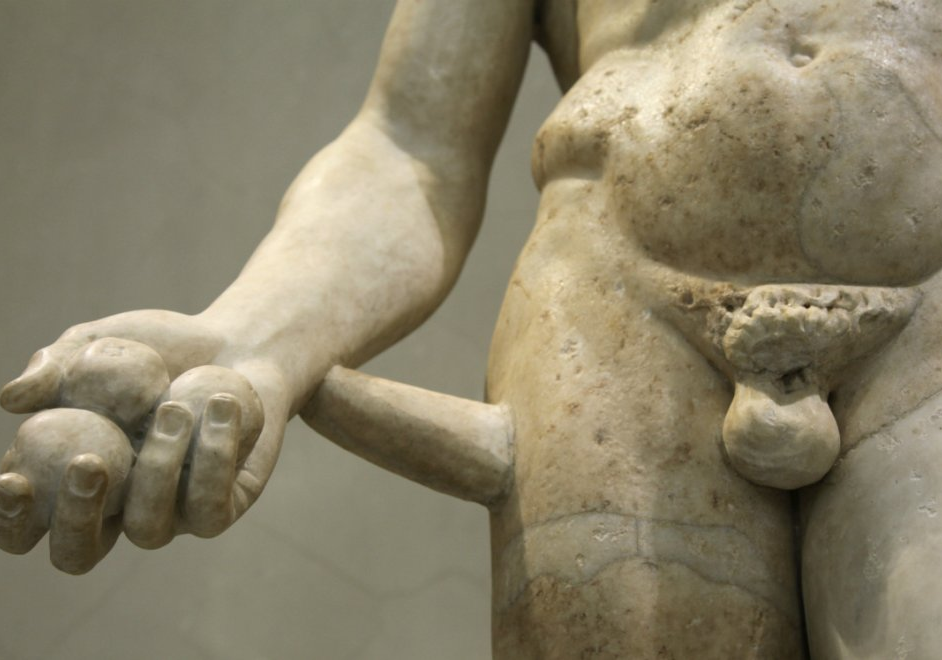
A rumour is circulating in some African countries: the French state is organising penis thefts to offset declining fertility. The rumour, spread by Russian propaganda, has become fake news.
The American sociologist Harrison White made a vital contribution to the development of social network analysis. Besides his work in this field, his theoretical synthesis and his understanding of social formations have influenced a variety of fields such as the sociology of art and economic sociology.
A selection of five essays and reviews recently published in Books&Ideas discusses the legacy and renewal of social class studies in France, Great-Britain and India.
The current world-wide demand for “real” democracy as embodied in the Indignados (15-M) movement and the Occupy Wall Street movement reiterates long-lasting frustrations as regards representative government and the incompleteness of democratic experiences throughout the world. This dossier gathers interviews and essays by renowned scholars on the conception of democracy as an on-going experience and not as a finished model.
At a time when Europe is equated with sovereign debt and political powerlessness, one should not forget that the foundations for a European citizenship have already been laid. Its potential for democracy needs to be interrogated, as do the cultural resources that it can rely on.
Now a well-known Chinese lawyer of the democratic dissidence in China, Zhang Sizhi was once a young nationalist, a high-ranking official in the court of Beijing and a victim of anti-rightist repression. In his memoirs, he provides a detailed and fascinating description of the profession and China in the second half of the 20th century.
Miguel Abensour profoundly renewed thinking about democracy. His political philosophy paid close attention to the desire for emancipation and was based on an original conception of utopia breaking with the mythology of the ‘ideal city’ or of a ‘good society’.
Rediscovering an activist thinker who was at the origins of eco-feminism, but remains unknown. Her work inspired an extremely heterogeneous movement, but has her ambition to concretely transform the social, economic and political organisation of society been pursued?
Et pourquoi l’usage de l’IA générative serait-elle incompatible avec la création artistique ? Il y a pourtant longtemps que la notion d’auteur, seul maître à bord de son oeuvre, a fait l’objet de contestation.
Longtemps marquée par le franquisme, l’histoire de la guerre d’Espagne se renouvelle aujourd’hui, nourrie par les expériences vécues. En mettant en évidence les dynamiques de fascisation et d’internationalisation, peut-on déplacer le regard vers un nouveau récit du conflit ?
Comment le passage d’une classe à l’autre, longtemps pensé comme une aventure individuelle, peut-il devenir un levier d’émancipation collective ? C. Jaquet reprend, à partir de Marx et de Spinoza, la question de l’abolition des classes.
À propos de : Stefan C. Aykut et Amy Dahan, La mutation climatique, Presses de Sciences Po
À propos de : Zoé Grumberg, Militer en minorité ? Le « secteur juif » du Parti communiste français après la Libération, PUR
À propos de : Gabrielle Radica, La famille des classiques, ENS Éditions